
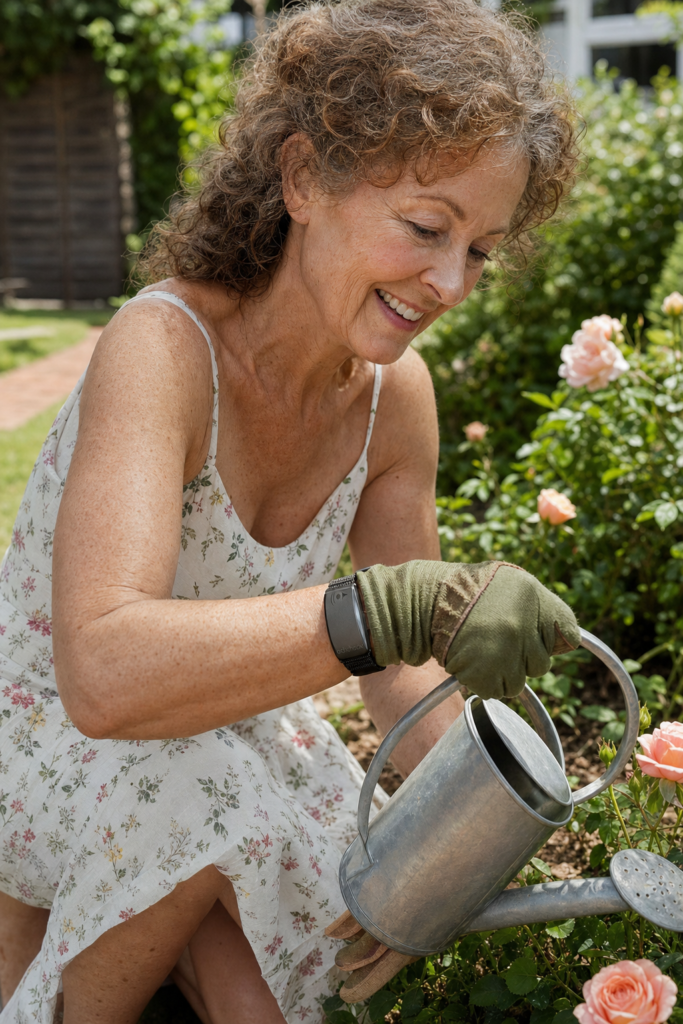
Choosing the right personal alarm for the elderly can feel overwhelming, especially with so many options and technical features available. To avoid “analysis paralysis” and make a confident choice, it helps to have a clear framework.
What is a personal alarm and who should have one
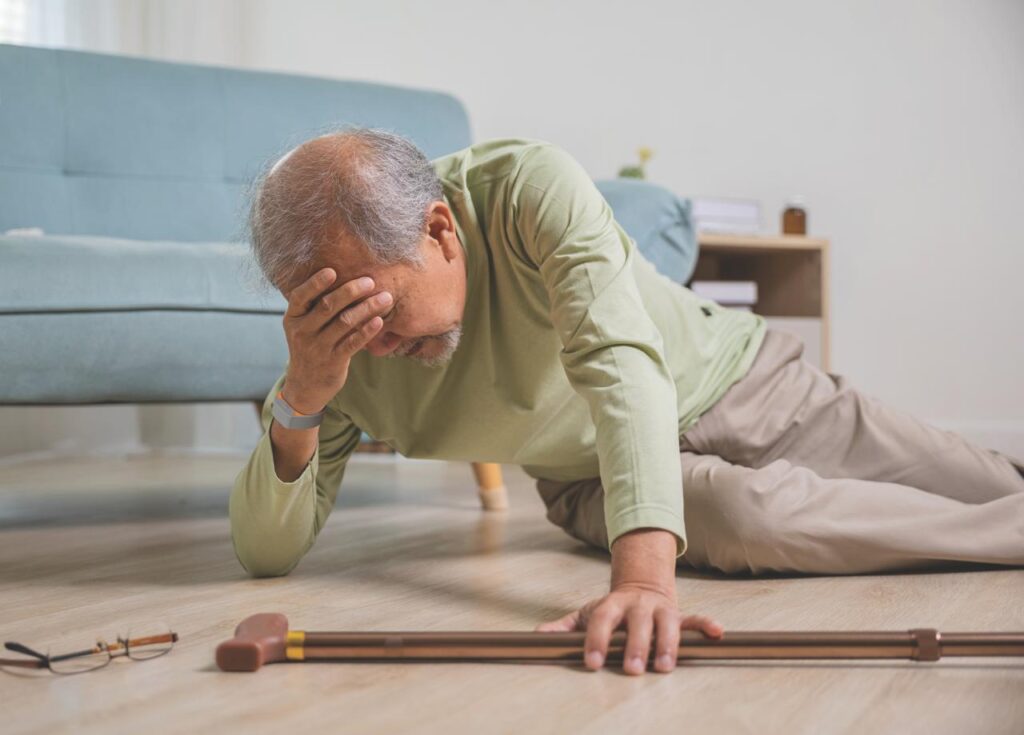
A personal alarm for the elderly is designed to call for help if the user experiences an emergency and cannot make a phone call themselves. Think of it as a de-isolation device—something that brings assistance quickly and reliably. Anyone who spends a significant amount of time alone could benefit from one. What is a ‘significant amount of time’ is likely to vary according to age and medical condition.
Define your needs
If you have a specific medical condition such as epilepsy, consult with your specialist or relevant association to find the most suitable device.
For general use, the key is matching the alarm’s features to the user’s lifestyle, capabilities, and environment.
User interaction
Can the user operate the device effectively?
If the user is frail or has cognitive impairment, systems with fall sensors, cameras, or room monitors may be required. While these can work well indoors, installation costs and delayed trigger detection should be factored in.
Coverage and location
- If the user regularly goes to isolated places away from home, such as on dog walks or to an allotment, choose a device with a multi-network SIM for wider mobile coverage. Their charging requirements and size can make them less suitable for at-home use.
- Home-based devices rely on a base station, while some hybrid models can connect via a smartphone as well as a base station.
- Always check network compatibility and recharging requirements.
Continuous v occasional protection
- Decide whether continuous, uninterrupted protection is a priority.
- Many wearable devices have downtime due to recharging, discomfort/impracticality during sleep.
- Choose alarms with long battery life and comfortable styling for all-day wear if you want continuous protection.
Ease of use
- During emergencies, complex controls are a barrier.
- Select systems with simple activation triggers that are easily remembered, even when the user is stressed or in pain.
Emergencies that are covered
All sorts of things can lead to people needing help. It is worth considering which you would like covered.
- SOS Call – All wearable alarms include a manual help trigger.
- Fall Detection – Automatic alerts if the wearer collapses and cannot call for help.
- Daily Checks – Regular check-ins to confirm wellbeing; Acticheck offers two customised daily checks using wristband prompts.
- Predictive Analytics – Detects early signs of illness by tracking changes in activity.
- Household temperature Alerts – Warns if the user’s home is too cold, with optional frost alerts.
Emergency protocols
- Family-first response can provide faster, more immediate help than calling an ambulance directly.
- Having someone on-site to comfort the user and relay information to emergency services improves care and prioritisation.
Response and false alarm management
- Look for easy false alarm cancellation to preserve dignity.
- Consider whether alarms go to a call centre, family and friends, or a combination.
- Ensure system contacts responders by normal phone calls, not just app notifications.
Styling
This is the last consideration, but is an important one to consider. Many devices look exactly what they are – a clinical type device that labels the wearer as vulnerable.
Many wearers are reluctant to wear something that makes them feel old and may be less likely to use it, than something that anyone might wear.
What next?
Hopefully, you have identified your needs. There are many devices you might like to consider, but as the Aticheck life-saving wristband was designed to answer many of the points above, we hope you’ll have a look at the rest of the website and consider if we are a good fit.